Tibet: Beijing to Kathmandu Overland
Rundreise internationale Kleingruppe

- Reisecode
- EPIPCBST0000
- Gruppengröße
- min. 1 / max. 12
- Sprache
- Englisch
- Dauer
- 15 Tage
Nachhaltigkeit
Diese Reise wird von einem zertifizierten Reiseveranstalter durchgeführt.
ab € 2.905,– p.P.
Termine AnzeigenReisebeschreibung 2026
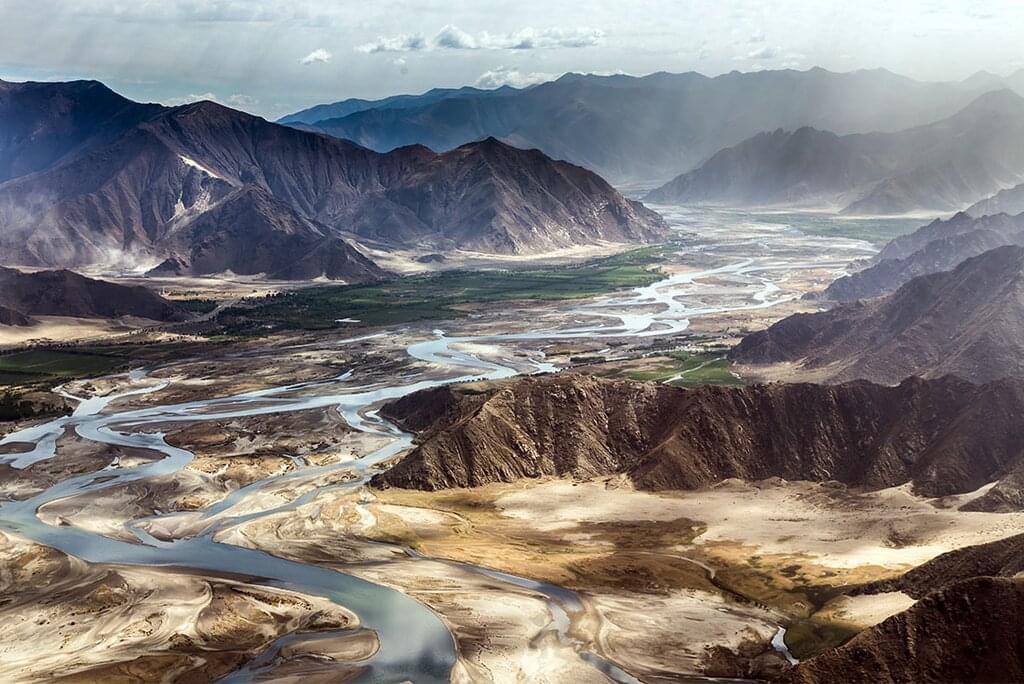
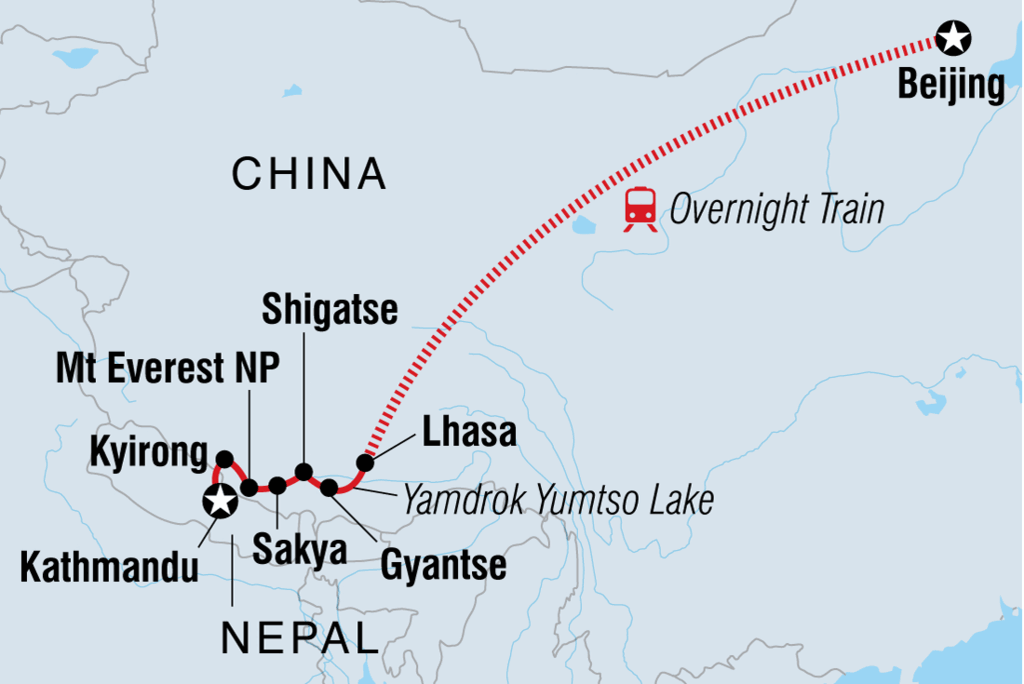
Go on an epic 5000-km overland journey through imperial Beijing and the soaring landscapes of Tibet, ending in Nepal’s culturally-rich capital, Kathmandu. Experience one of the world’s greatest train journeys, discover the highland haven of Lhasa, watch daily Tibetan life play out in Gyantse and visit the world’s highest monastery perched in the heart of the Himalayas. Temples aplenty, divine landscapes and iconic views of Mt Everest await you. You’ll find yourself meditating with a monk and wandering Kathmandu’s maze-like bazaars – celebrating Buddhist cultures past and present, this insightful journey to the Roof of the World is simply unforgettable.
Reiseverlauf 2026
Alle Reisetage Einklappen-
Tag 1
Beijing
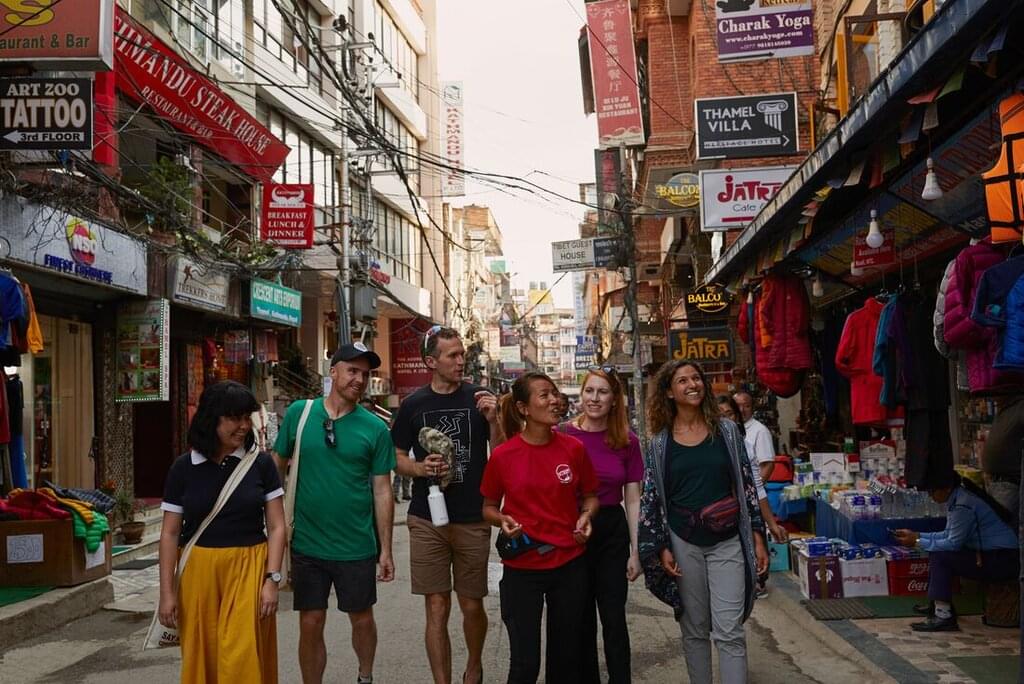
<Huanying! Welcome to China. Touch down in the capital, Beijing, ready for a high-altitude adventure. Your adventure begins with a welcome meeting at 6 pm, where you’ll meet your trip leader and travel companions. After this important meeting, why not get together with your group for an optional dinner – maybe seek out one of the best Peking duck restaurants in the city. Your group leader will be able to recommend some great spots where you can eat this delicious speciality.
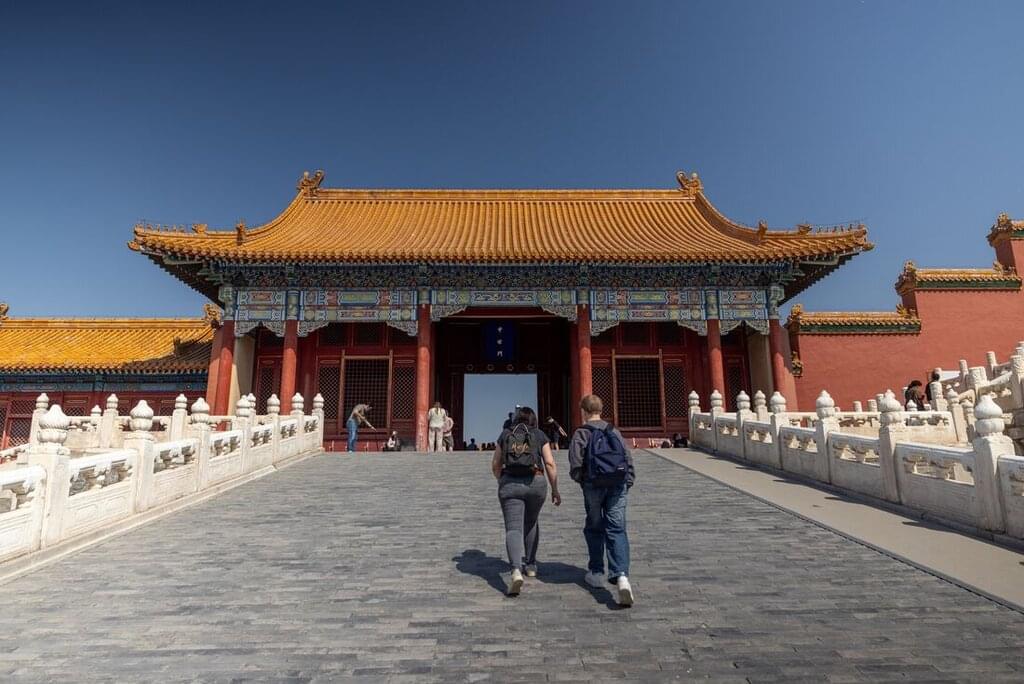
It’s very important that you attend the welcome meeting as we will be collecting insurance details and next of kin information at this time. If you are going to be late, please let your travel agent or hotel reception know. Ask reception or look for a note in the lobby for more information on where the meeting will take place. The Forbidden City only allows 30,000 visitors per day. Tickets are in demand year-round, but particularly during July and August. If you would like to visit the Forbidden City in your own free time in Beijing, tickets go on sale one week in advance via the government website: https://bookingticket.dpm.org.cn/. -
Tag 2
Transit by Train
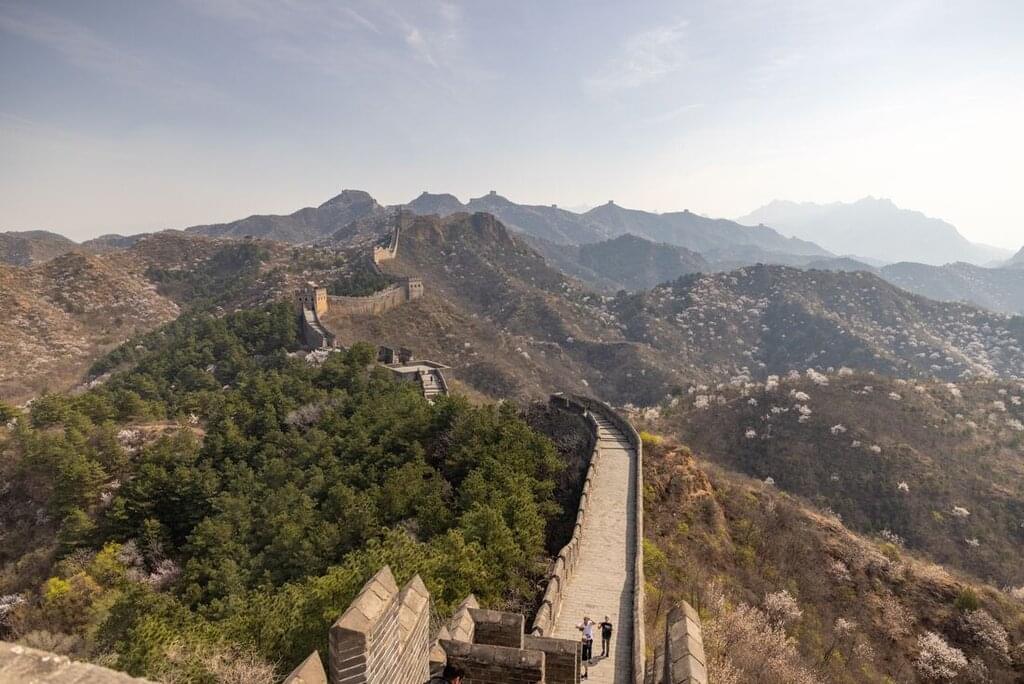
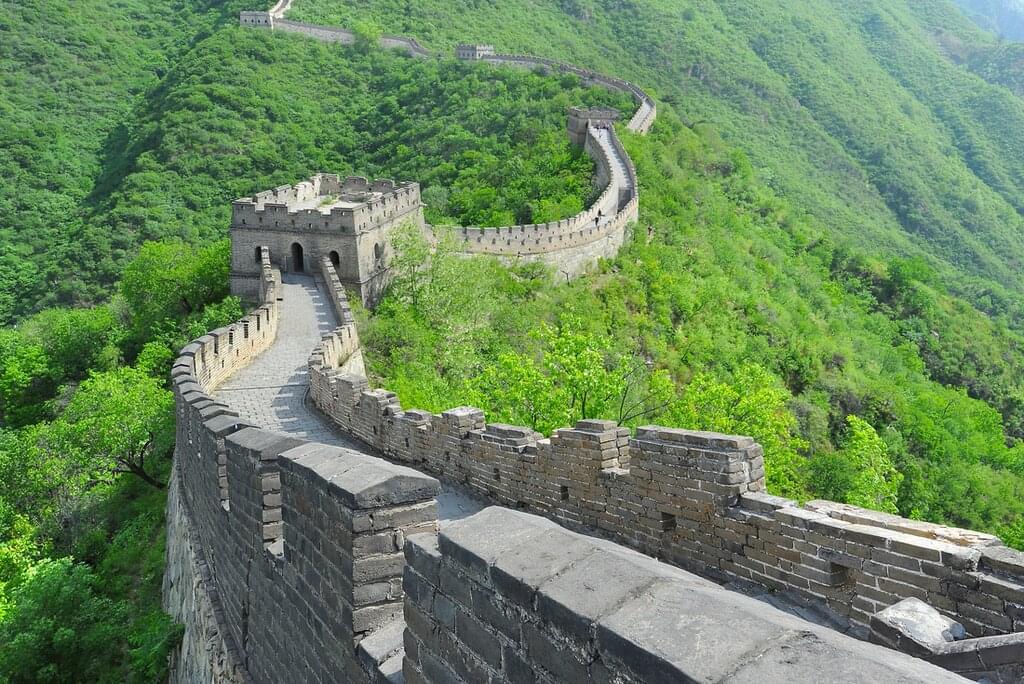
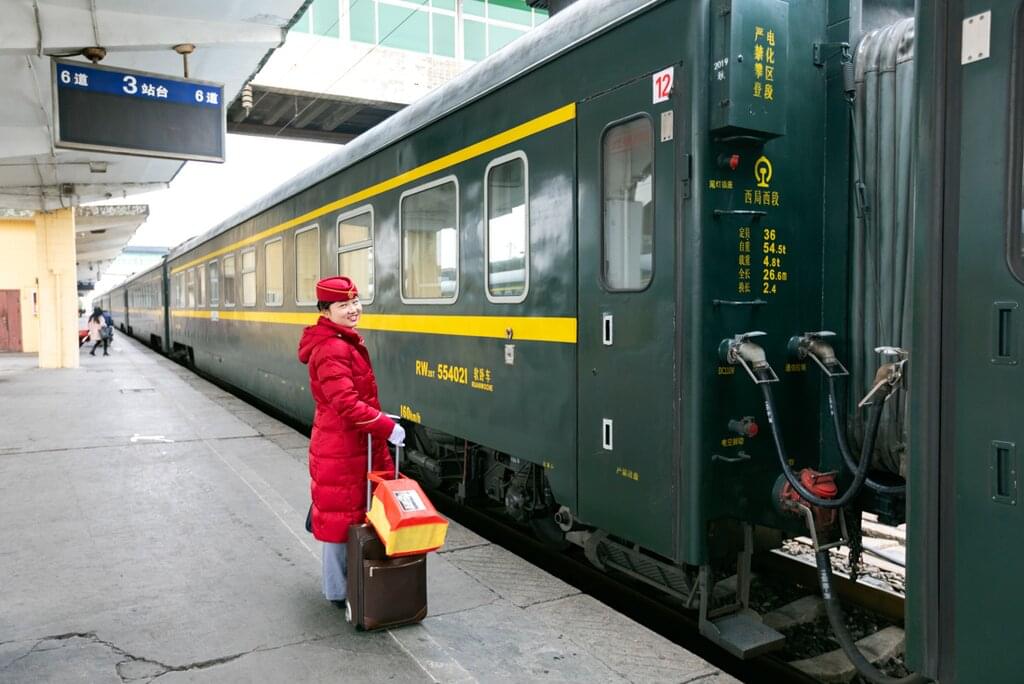
<Today, you’ll take an early morning drive to visit one of the most well-preserved areas of the Great Wall – the Mutianyu section. An incredible piece of engineering, the wall stretches 6000 km westwards from the mountain ridges north of Beijing. It's a 30-minute climb up some steep steps to reach it, but you’ll be rewarded with a panoramic view of the Great Wall winding along the mountains. Travel back to the city and then in the late afternoon, transfer to Beijing West Railway Station – one of the biggest and busiest in the world – to start your epic train journey to Lhasa.
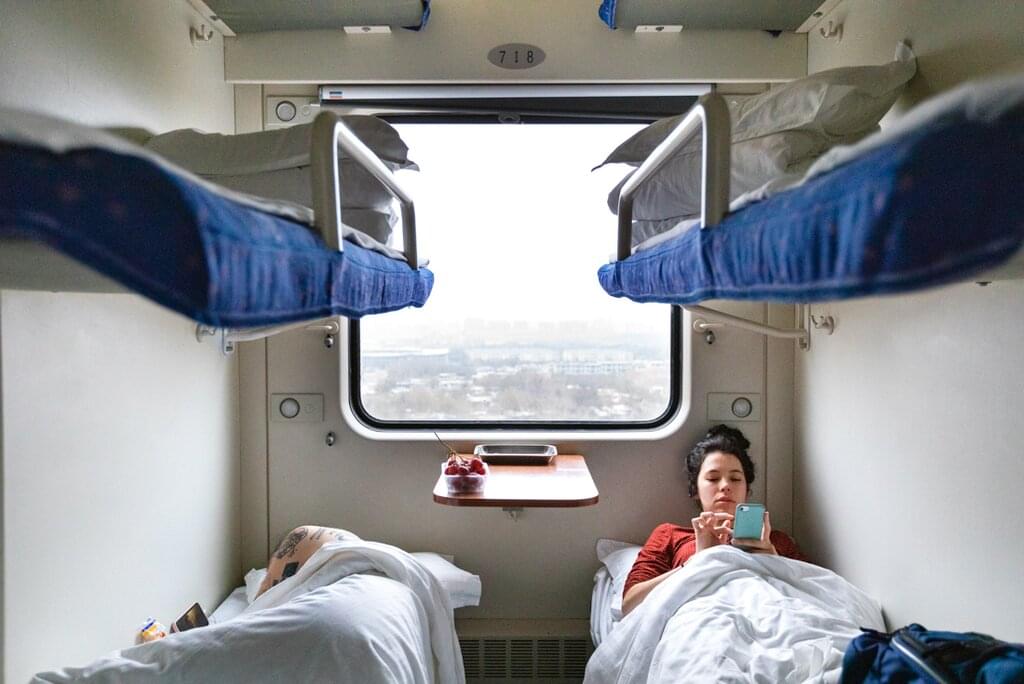
Your travel time today will be approximately 2 hours. Your walking time will be approximately 2 hours – please make sure you have sturdy shoes. In total, this train journey will be approximately 45 hours. Be aware that, on the odd occasion, there may be interruptions to this schedule – see the ‘Important Notes’ section of the Essential Trip Information for more details. We stay in 'hard sleeper' class cabins on this train journey. The compartments are open-plan and clean with padded three-tiered berths (six to a compartment). Sheets, pillows and a blanket are provided. We recommend bringing your own sleeping sheet as the quality and cleanliness of sheets may not be what you are used to. Safe, hot drinking water is always available. It’s a good idea to bring a mug and spoon if you will be preparing your own hot drinks or food on the train, as these are not provided in cabins. Basic bathroom facilities with toilets and washbasins are at the end of each carriage. As toilet paper isn't always available, it's best to bring an emergency supply. It's usually impossible to upgrade to a different class while on the train. The group may be split depending on the group size and ticket availability, but your leader will always be on hand to assist. -
Tag 3
Transit by Train
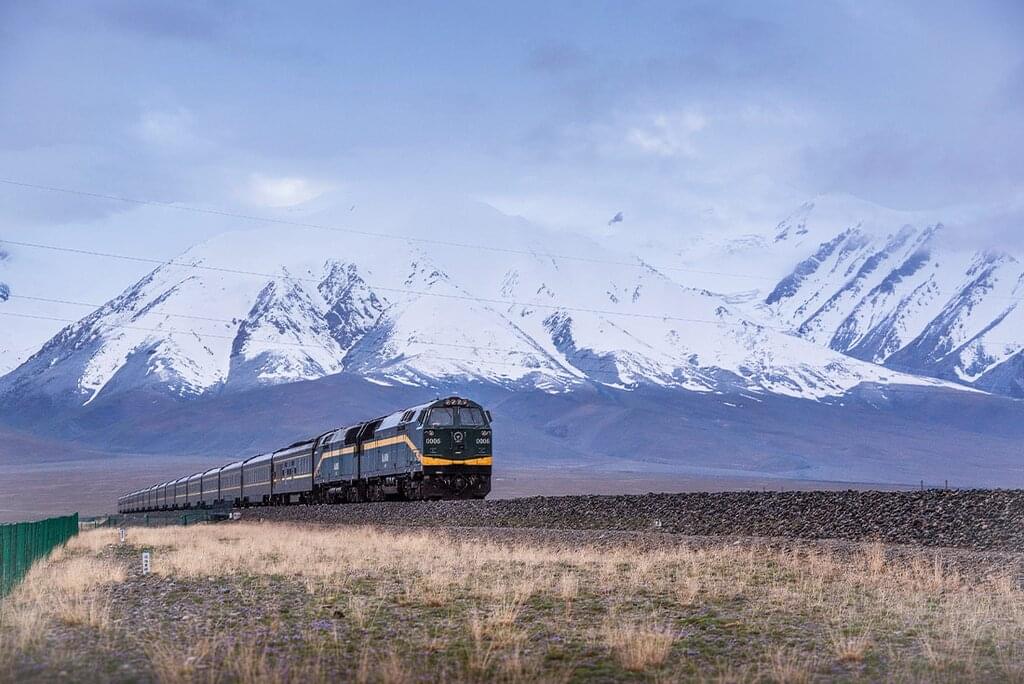
<Today, all you can do is sit back, relax and take in the mountainous ridges and remote terrain along the highest railway in the world. This journey takes you through the major cities of Xi'an, Lanzhou and Xining, and across the wide-open highlands of the Qinghai-Tibet Plateau. Keep an eye out for grazing yaks, sheep and a glistening lake along the way. On this second night, you’ll climb in altitude as you gaze out at the changing landscapes through the windows – snow-dusted black cliffs and mountain peaks pass by, illuminated by moonlight.
Much of the train journey takes place at high altitude – as a result, some travellers can suffer from altitude sickness, regardless of age or physical health. Compartments have an oxygen supply for each passenger and there is a doctor on board each train in case medical assistance is required. -
Tag 4
Lhasa
<After lunch, you’ll say goodbye to your local train pals and your home for the last two nights and be greeted by Lhasa's crisp mountain air. This colourful and historic holy city of is situated in a small valley, and for hundreds of years it was kept secluded from the outside world. Lhasa remains an intriguing and spiritually significant city with deeply fascinating cultures, sights and stories. Check into your hotel later this afternoon and begin to get acclimatised to both the city and the altitude.
Lhasa’s elevation is 3656 m. Taking it easy and acclimatising is very important when travelling in high altitudes. -
Tag 5
Lhasa
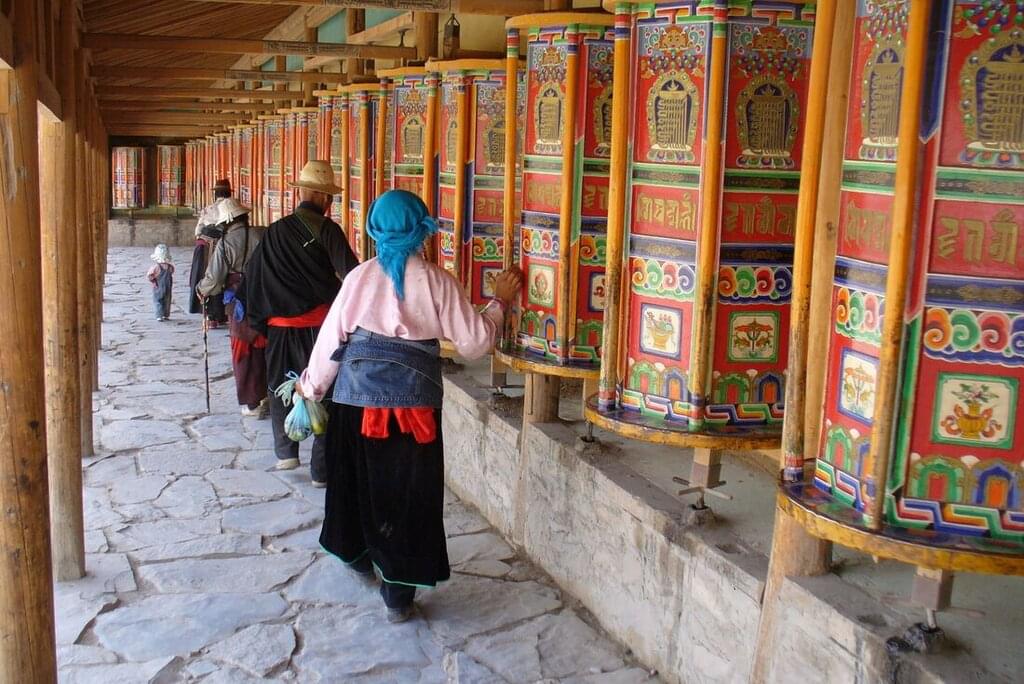
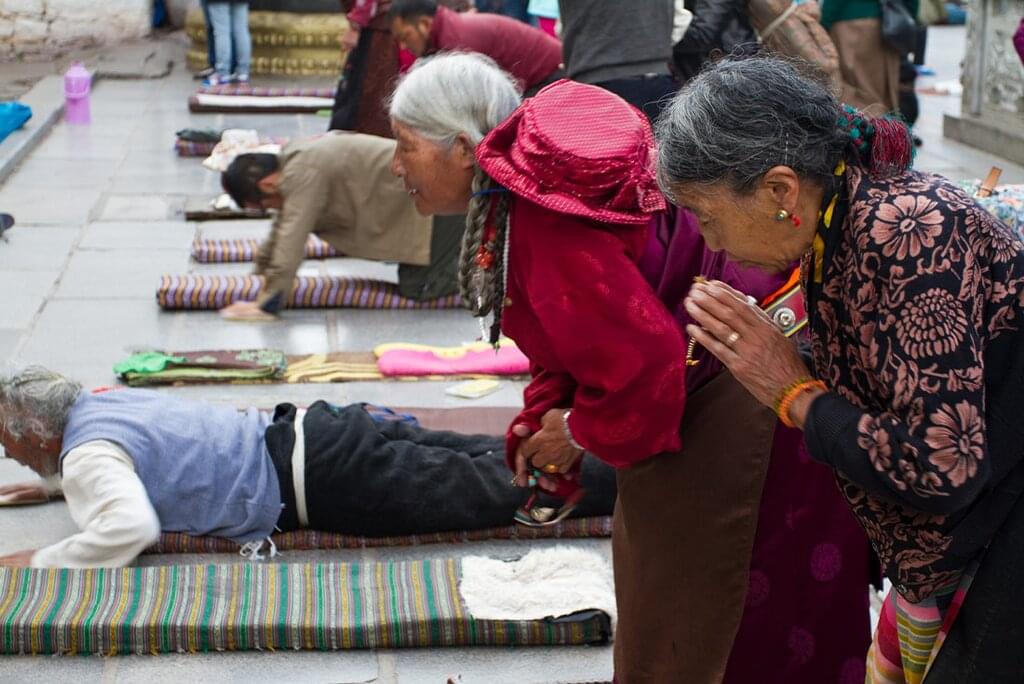
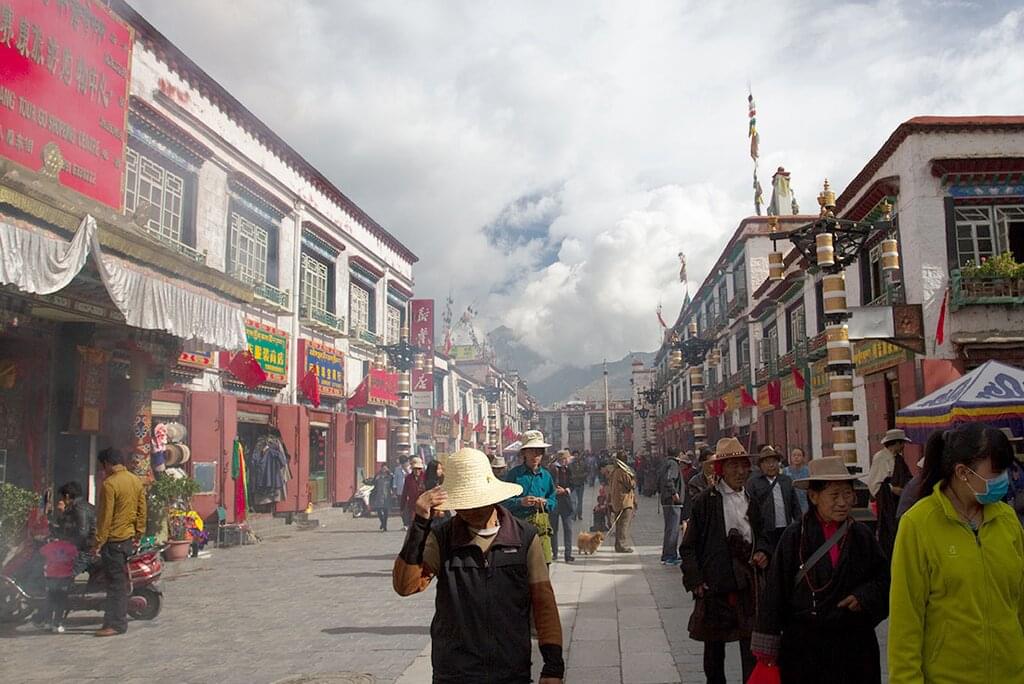
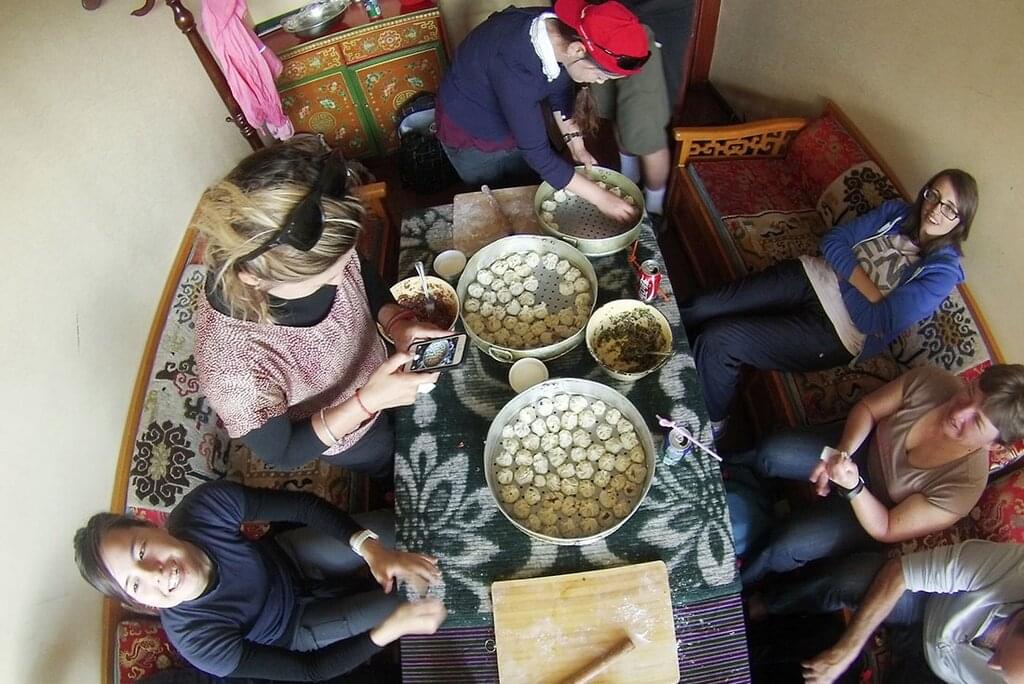
<Start your first full day in Lhasa with a walking tour of the Old Town. Walk among pilgrims on Barkhor Street, otherwise known as Holy Road. Encircling the Jokhang Temple, this incense-scented street is where Tibetan Buddhists perform meditative koras, following the loop in a clockwise direction. Around noon, visit a local family to learn how tsampa (ground barley, a Tibetan staple), yak butter tea and momos (moreish Tibetan dumplings) are made. After lunch, visit the Sera Monastery and witness the resident monks taking part in heated debates in the courtyards – their exaggerated gestures and the passion they display make this one of the most exciting people-watching spots in Lhasa.
Please note that when travelling in Tibet, as per local law, you'll need to stick with your group when visiting sites. So, if there's any further sightseeing you'd like to do, please discuss it with your trip leader. As most of the cultural and historical sites in Tibet are temples and monasteries, it’s best to choose carefully which activities you do in your free time and pace yourself to enjoy the sites with your group as much as possible. Tibetan Buddhism is a fascinating part of the region's culture, however some travellers find that they get ‘temple-d out’ quickly with so much information to take in. Take your time, ask your local leader about what interests you most, and if you’d prefer your own time rather than a visit to a religious site with the group, let your leader know. -
Tag 6
Lhasa
< -
Tag 7
Gyantse
< -
Tag 8
Shigatse
< -
Tag 9
Shigatse
< -
Tag 10
Sakya
< -
Tag 11
Everest National Park
< -
Tag 12
Kyirong
< -
Tag 13
Kathmandu
< -
Tag 14
Kathmandu
< -
Tag 15
Kathmandu
<
Reise teilen
Leistungen 2026
- Hotel (11 Nächte), Übernachtung im Hartschalenzug (2 Nächte), Zeltlager/Gästehaus (1 Nacht)
- Peking - Große Mauer von Mutianyu
- Lhasa - Sera-Kloster & Mönchsdebatte
- Lhasa - Tibetischer Kochkurs
- Lhasa - Altstadt und Barkhor Street zu Fuß erkunden
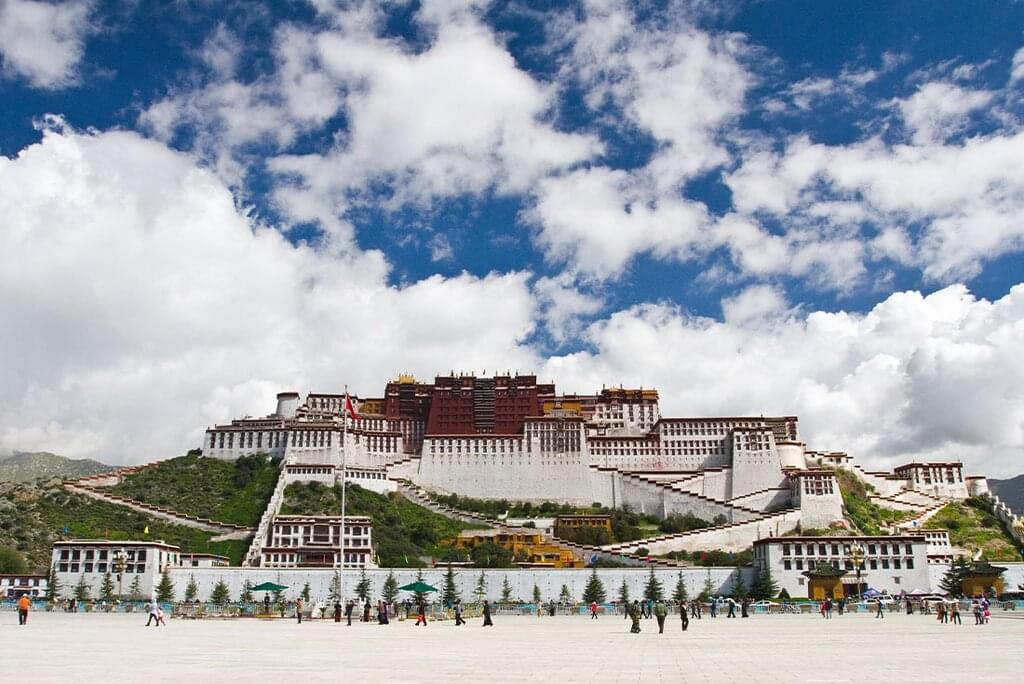
- Lhasa - Potala Palast
- Lhasa - Jokhang-Tempel
- Gyantse - Yamdrok See
- Gyantse - Besuch einer tibetischen Familie & Mittagessen
- Gyantse - Kloster Pelkor Chode
- Gyantse - Kumbum
- Shigatse - Tashilhunpo-Kloster
- Sakya - Sakya-Kloster
- Sakya - Nunery Besuch
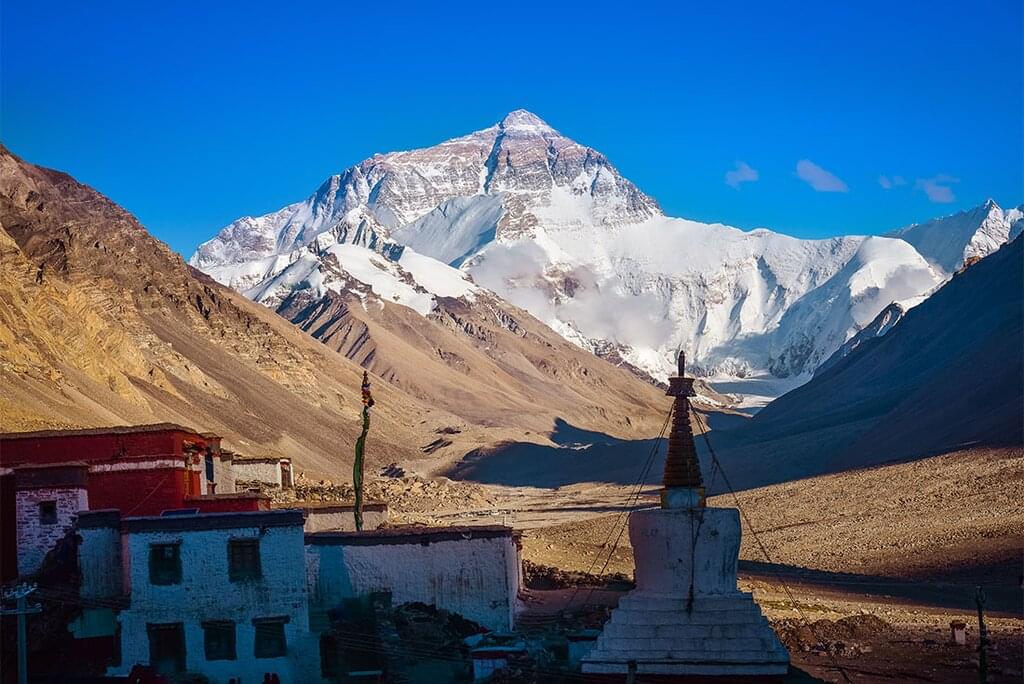
- Everest-Nationalpark - Rongphu-Kloster
- Everest-Nationalpark - Basislager-Denkmal (chinesische Seite)
- Rongbu Kloster - Meditation & Tee (im höchsten Kloster der Welt)
- Kathmandu - Altstadtrundgang mit Führer
- Peking - Große Mauer von Mutianyu
- Lhasa - Sera-Kloster und Mönchsdebatte
- Lhasa - Tibetischer Kochkurs
- Lhasa - Spaziergang durch die Altstadt und die Barkhor-Straße
- Lhasa - Potala-Palast
- Lhasa - Jokhang-Tempel
- Gyantse - Yamdrok-See
- Gyantse - Besuch einer tibetischen Familie und Mittagessen
- Gyantse - Kloster Pelkor Chode
- Gyantse - Kumbum
- Shigatse - Tashilhunpo-Kloster
- Sakya - Sakya-Kloster
- Sakya - Besuch im Nonnenkloster
- Everest-Nationalpark - Rongphu-Kloster
- Everest-Nationalpark - Basislager-Denkmal (chinesische Seite)
- Rongbu-Kloster - Meditation und Tee (im höchsten Kloster der Welt)
- Kathmandu - Altstadtrundgang mit Führer
- 2x Mittagessen
Unterkunft 2026
Termine
Häufig gestellte Fragen
Wichtige Informationen zu deiner Reise
Diese Reise ist für Menschen mit eingeschränkter Mobilität nicht geeignet.
Reiseversicherung für deine ASI Reise
Die Tarife sind flexibel konfigurierbar. Abschluss und Beratung erfolgen direkt über die HanseMerkur. Mehr Informationen zum Thema Reiseversicherung findest du unter asi-reisen.de/reiseversicherung.
Nachhaltigkeit
Diese Reise wird von einem zertifizierten Partner durchgeführt
Mit einem Nachhaltigkeitszertifikat wird das Engagament eines Unternehmens auf sozialer, ökonomischer und ökologischer Ebene anerkannt. Dieses Unternehmen hat eine von GTSC anerkannte Zertifizierung und trägt somit aktiv zur nachhaltigen Entwicklung im Tourismus bei.
Mehr ErfahrenMehrwert abseits der Reise leisten
Unterstütze ausgewählte Projekte in unseren Reisedestinationen über unsere Spendenplatform. Damit 100% deiner Spende beim Projekt ankommt, übernehmen wir alle Transaktionskosten.
Zur ASI SpendenplattformSo kannst du zu mehr Nachhaltigkeit auf deiner Reise beitragen
Auch du kannst aktiv dazu beitragen, deine Reise nachhaltiger zu gestalten. Von Vorbereitung auf deine Reise, bis hin zur Unterstützung von lokalen Unternehmen im Reiseland – es gibt viele Möglichkeiten
Mehr Erfahren