Classic Japan
Rundreise internationale Kleingruppe

- Reisecode
- EPIPCJKJ0000
- Gruppengröße
- min. 1 / max. 12
- Sprache
- Englisch
- Dauer
- 11 Tage
Nachhaltigkeit
Diese Reise wird von einem zertifizierten Reiseveranstalter durchgeführt.
ab € 3.668,– p.P.
Termine AnzeigenReisebeschreibung 2026
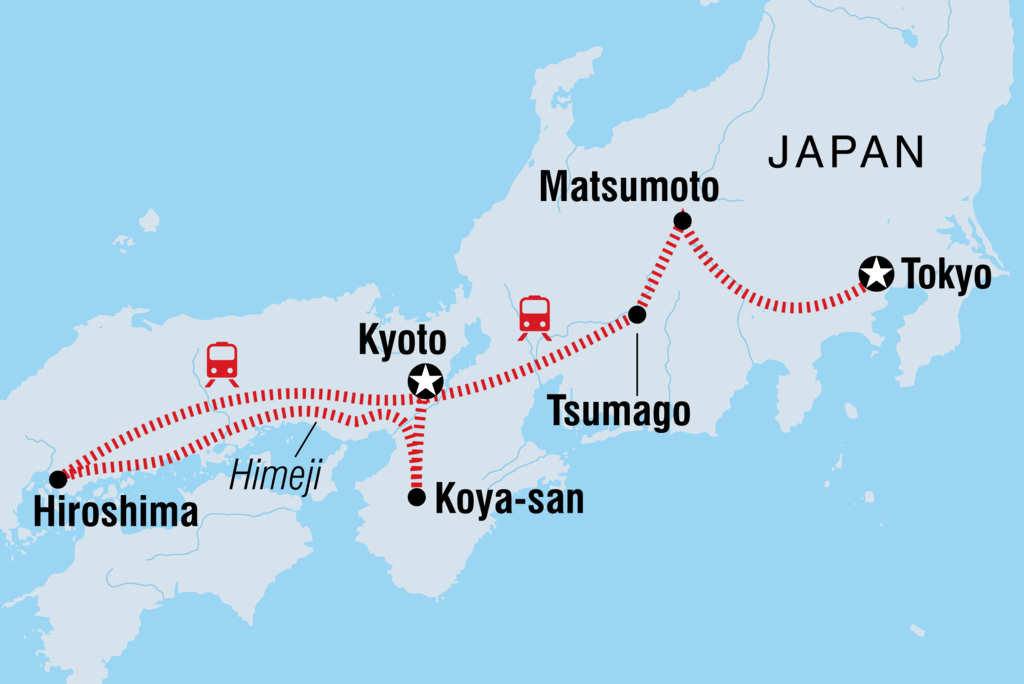
Japan ist reich an jahrhundertealten Traditionen und kulinarischen Köstlichkeiten und bietet eine Fülle von Sehenswürdigkeiten und Geschichten, die es zu entdecken gilt. Von Kyoto bis Tokio wirst du 11 Tage lang das Herz Japans erkunden. Du übernachtest in einem Kloster in Koya-san, wanderst einen Teil des Nakasendo Highway, lernst die ernüchternde Geschichte von Hiroshima kennen und fährst in Tokio den Sumida-Fluss entlang. Lass dich von Tempura verführen, genieße dein Sushi und schlürfe Shochu, während du mit deiner kleinen Gruppe die unendliche Vielfalt Japans erkundest - und das alles mit einem einheimischen Reiseleiter an deiner Seite, der die besten Plätze kennt.
Reiseverlauf 2026
Alle Reisetage Einklappen-
Tag 1
Kyoto
<Konnichiwa! Willkommen in Kyoto. Dein Abenteuer beginnt mit einem Willkommenstreffen um 18 Uhr. Wenn du noch etwas Zeit hast, kannst du auf die Straße gehen und einen ersten Eindruck von dieser wunderschönen Stadt gewinnen. Ursprünglich Heian-kyo (wörtlich "friedliche und ruhige Hauptstadt") genannt, wurde Kyoto im Jahr 794 n. Chr. von Kaiser Kammu zur Hauptstadt ernannt. Die Stadt erlebte ihr goldenes Zeitalter als Japans Hauptstadt für über 1000 Jahre, bevor der Kaiser und die Regierung in die neue Hauptstadt Tokio verlegt wurden. Nach dem Treffen heute Abend kannst du vielleicht eine erste Kostprobe des traditionellen japanischen Essens genießen. Als ehemaliger jahrtausendelanger Sitz der kaiserlichen Küche ist Kyoto als Zentrum der japanischen kulinarischen Tradition bekannt, also solltest du diese Reise mit einer köstlichen Mahlzeit beginnen!
Es ist sehr wichtig, dass du an dem Begrüßungstreffen teilnimmst, da wir bei dieser Gelegenheit deine Versicherungsdaten und die Daten deiner nächsten Angehörigen aufnehmen. Wenn du dich verspäten wirst, sag bitte deinem Reisebüro oder der Hotelrezeption Bescheid. Frag an der Rezeption nach oder halte Ausschau nach einem Zettel in der Lobby, um zu erfahren, wo das Treffen stattfinden wird. -
Tag 2
Kyoto
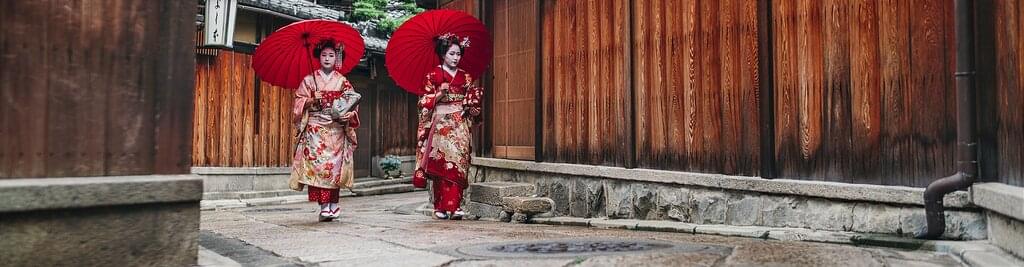
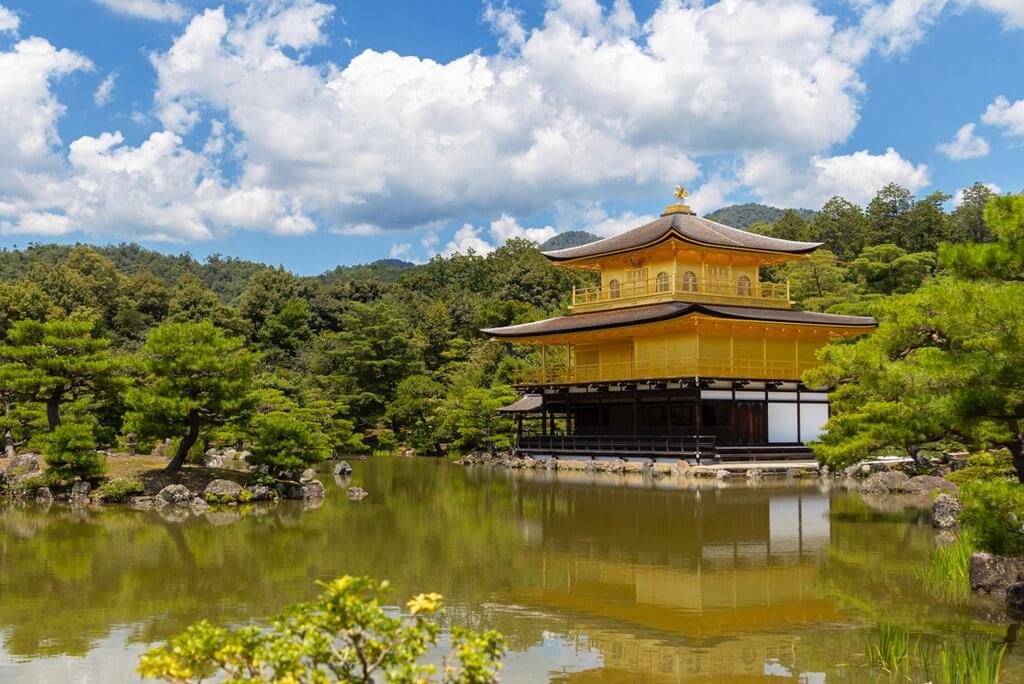
<Du beginnst den Tag mit einem Besuch einiger der wichtigsten Sehenswürdigkeiten Kyotos. Besuche das opulente Nijo-Schloss - die Heimat der Tokugawa-Shogune, die das Land während der Edo-Zeit regierten. Bewundere die "Nachtigallenböden" des Ninomaru-Palastes, die mit ihrem Quietschen vor Eindringlingen warnen (wie sonst die lautlosen Ninjas). Vom Schloss aus fährst du mit dem Bus zum Ryoan-ji, dem vielleicht berühmtesten Zen-Garten Japans, wo sorgfältig platzierte Felsen in einem makellos geharkten Kiesbett liegen. Ganz in der Nähe befindet sich auch der teilweise mit Blattgold überzogene Kinkakuji-Tempel, der in Yukio Mishimas Roman "Der Tempel des goldenen Pavillons" unsterblich wurde. Heute Abend kannst du bei einem Spaziergang durch die engen Gassen von Kyotos charmantem Stadtteil Gion einen Schritt zurück in die Vergangenheit machen. Als Vergnügungsviertel und Zentrum der Geiko-Kultur erwacht Gion bei Nacht zum Leben. Wenn du Glück hast, kannst du Geiko (Geisha) oder Maiko (Geisha-Lehrlinge) in ihren aufwendigen Kleidern und mit Make-up sehen. Wenn du es dir leisten kannst, nimmst du vielleicht an einer Teezeremonie in einem der Teehäuser des Viertels teil oder gönnst dir ein Kaiseki-Menü in einem Ryotei (kleine Restaurants, die traditionelle mehrgängige Gerichte servieren).
Teezeremonien in Japan sind meist schon lange im Voraus ausgebucht. Wenn du an einer Zeremonie interessiert bist, empfehlen wir dir, so früh wie möglich direkt zu buchen, um dir einen Platz zu sichern. -
Tag 3
Kyoto
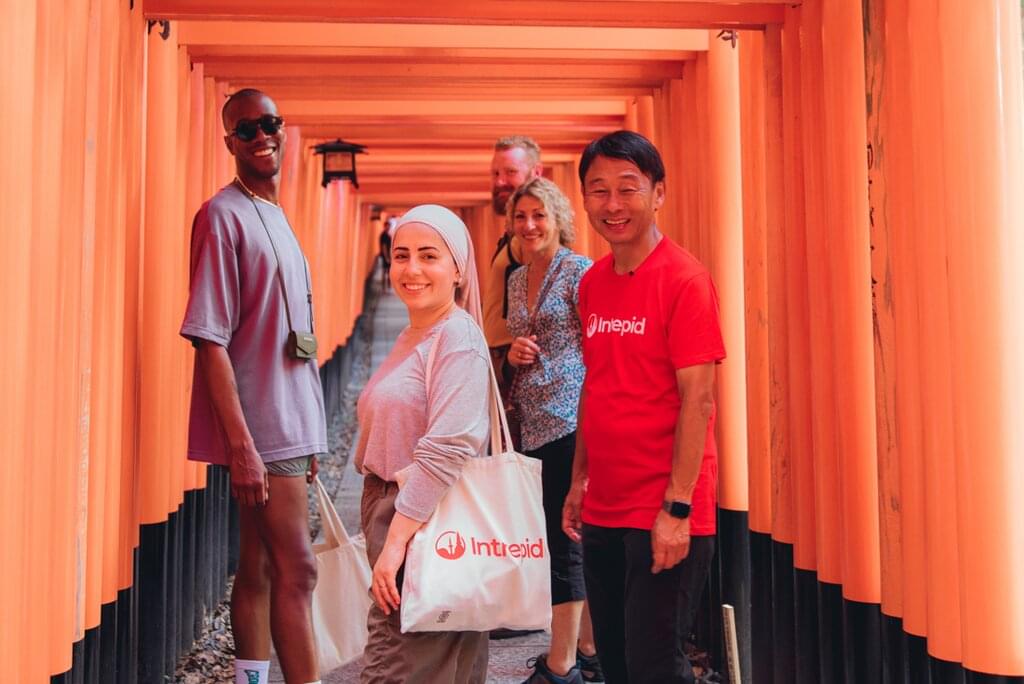
<Der heutige Tag steht dir zur freien Verfügung und es gibt so viel zu entdecken. Mit seinen vielen kulturellen Sehenswürdigkeiten, historischen Stätten, einer Fülle an traditionellen Künsten und einer reichen Literaturgeschichte gilt Kyoto als das kulturelle Herz Japans. Vielleicht besuchst du den Fushimi Inari-Schrein, der für seine tausenden Torii (Tore) berühmt ist, die einen Weg auf den Berg Inari säumen. Kyoto ist eine Stadt, die sich hervorragend zum Spazierengehen eignet - es ist sehr empfehlenswert, einen Spaziergang durch die nahe gelegenen östlichen Hügel entlang des Philosophenwegs zu machen, der den Ginkaku-ji (den Tempel des Silbernen Pavillons) mit dem Nanzen-ji-Tempel verbindet. Dieser Spaziergang kann in südlicher Richtung durch die gut erhaltene Altstadt bis zum Kiyomizu-dera (Tempel des reinen Wassers) verlängert werden, von dem aus du einen herrlichen Blick über eine bewaldete Schlucht in Richtung Kyoto hast. Wenn du im April kommst, solltest du unbedingt das Theater besuchen und dir den Miyako Odori (Kirschblütentanz) ansehen, der von kunstvoll gekleideten Geikos und Maikos aufgeführt wird. In der Nähe des Kyotoer Bahnhofs findest du außerdem den architektonisch beeindruckenden Higashi Honganji-Tempel und den Sanjusangendo-Tempel, der 1001 goldene Statuen von Kannon beherbergt. Am späten Nachmittag kannst du in die Viertel Kawaramachi oder Shijo Dori im Zentrum Kyotos zurückkehren, um in den Geschäften zu stöbern oder in einem der vielen Restaurants in diesen belebten Vierteln zu Abend zu essen. -
Tag 4
Koya
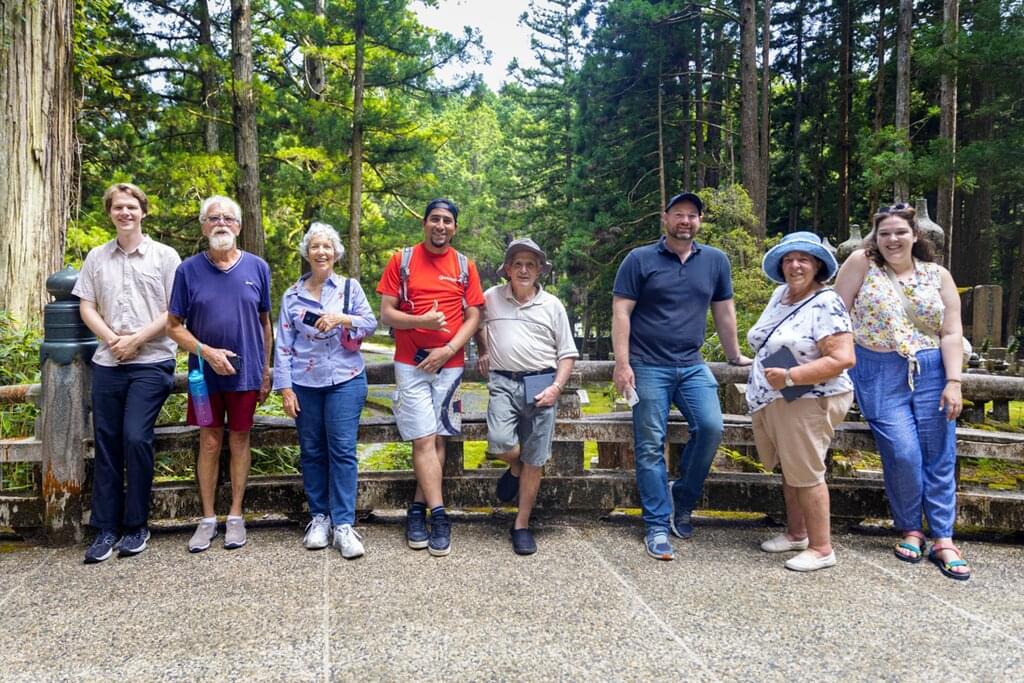
<Nimm einen Zug nach Koya-san und sieh dir so viele der 120 Tempel in der Region an, wie du kannst. Koya-san wurde im 8. Jahrhundert von dem buddhistischen Heiligen Kobo Daishi gegründet und ist seit über 1200 Jahren das Zentrum des Shingon-Buddhismus. Die letzte Etappe der Zugfahrt führt dich durch eine der schönsten Landschaften Japans, auf einer Bergstraße, die 915 m über dem Meeresspiegel durch die Wolken führt. Die beeindruckendste Sehenswürdigkeit auf dem Berg Koya ist Japans größter Friedhof - Okunoin - auf dem viele der berühmtesten Persönlichkeiten Japans ruhen. Rund 200.000 Steinstatuen, hölzerne Totems und manchmal auch ungewöhnliche Gedenkstätten (eine Rakete markiert den Standort eines Mausoleums für die Arbeiter eines Luft- und Raumfahrtunternehmens) liegen in diesem moosbewachsenen Wald. Nachdem du die Sehenswürdigkeiten des Berges besichtigt hast, machst du dich auf den Weg zu deiner komfortablen Shukubo (Tempelunterkunft) für die Nacht. Hier kannst du mit den Mönchen sprechen, die die Unterkunft betreiben, und etwas über die Gepflogenheiten der traditionellen japanischen Unterkunft erfahren. Heute Abend bekommst du eine Kostprobe des Shojin Ryori - buddhistische vegetarische Küche, die mit frischen, einfachen Zutaten zubereitet wird.
Die heutige Reisezeit beträgt etwa 4,5 Stunden. Heute werden wir ein Gepäckstück für dich nach Hiroshima schicken. Du brauchst eine kleine Übernachtungstasche für deinen Aufenthalt in Koya-san, da du erst an Tag 5 wieder Zugang zu deinem Gepäck haben wirst. -
Tag 5
Hiroshima
<Mit der Seilbahn fährst du zurück nach Gokurakubashi und dann nach Osaka, wo du in den ersten Shinkansen (Hochgeschwindigkeitszug) nach Hiroshima einsteigst - du erreichst Geschwindigkeiten von bis zu 270 km pro Stunde! Auf dem Weg nach Süden hältst du an, um Japans beeindruckendste Samurai-Burg in Himeji zu besuchen. Das Gebäude, das seit Mitte des 16. Jahrhunderts Erdbeben und Kriege überstanden hat, wurde 2015 in seiner vollen Pracht restauriert. Die Wassergräben, Wehrgänge, Türme und ummauerten Gassen wurden raffiniert entworfen, um Angreifer auszutricksen - vielleicht so einschüchternd, dass sie nie getestet wurden. Erkunde die Burg, die einst über 10.000 Samurai-Familien beherbergte, und blicke vom siebten Stock über die Stadt. Weiter geht es nach Hiroshima, wo du dich mit deiner Gruppe zu einem Okonomiyaki-Abendessen triffst. Okonomiyaki ist Japans typischer herzhafter Pfannkuchen, der aus Teig, Kohl, Ei, individuellen Belägen wie Meeresfrüchten, Fleisch oder Gemüse und den für Hiroshima typischen Yakisoba-Nudeln besteht.
Die Reisezeit beträgt heute etwa 5 Stunden. -
Tag 6
Hiroshima
< -
Tag 7
Tsumago
< -
Tag 8
Matsumoto
< -
Tag 9
Tokio
< -
Tag 10
Tokio
< -
Tag 11
Tokio
<
Reise teilen
Leistungen 2026
- Hotel (8 Nächte), Tempelaufenthalt (1 Nacht), Ryokan (1 Nacht)
- Kyoto - Ryoanji Zen Garten
- Kyoto - Schloss Nijo
- Kyoto - Kinkaku-ji (Goldener Pavillon)
- Kyoto - Gion Bezirk Spaziergang
- Koya-san - Okunoin-Friedhof
- Himeji - Burg Himeji
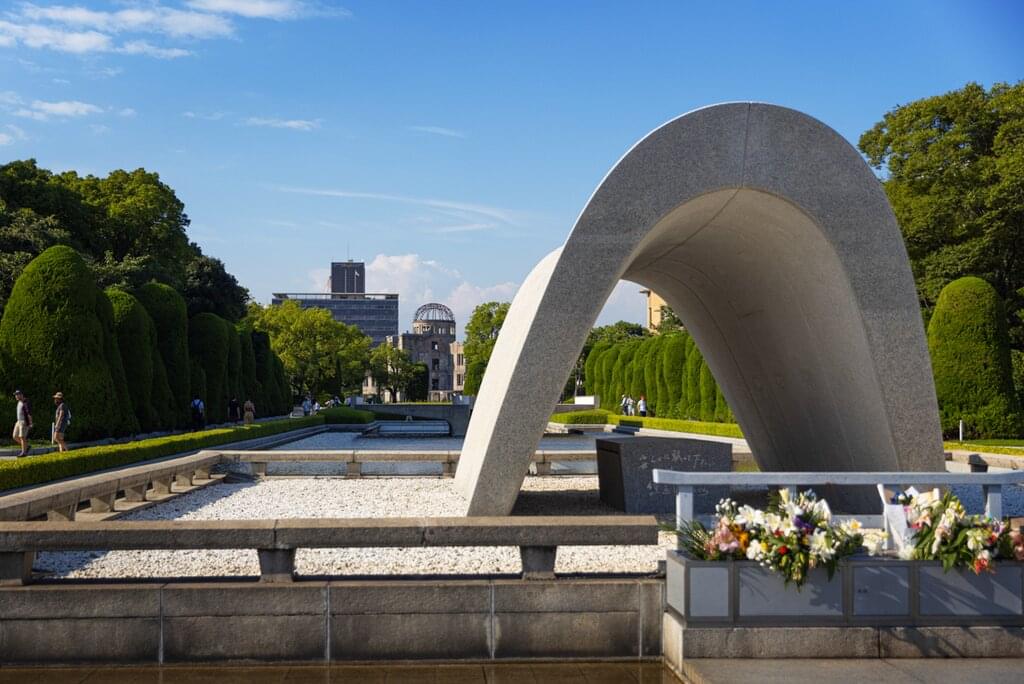
- Hiroshima - Friedenspark & A - Bombenkuppel
- Hiroshima - Friedensmuseum
- Hiroshima - Miyajima Insel
- Tsumago - Nakasendo Wanderung
- Matsumoto - Rundgang
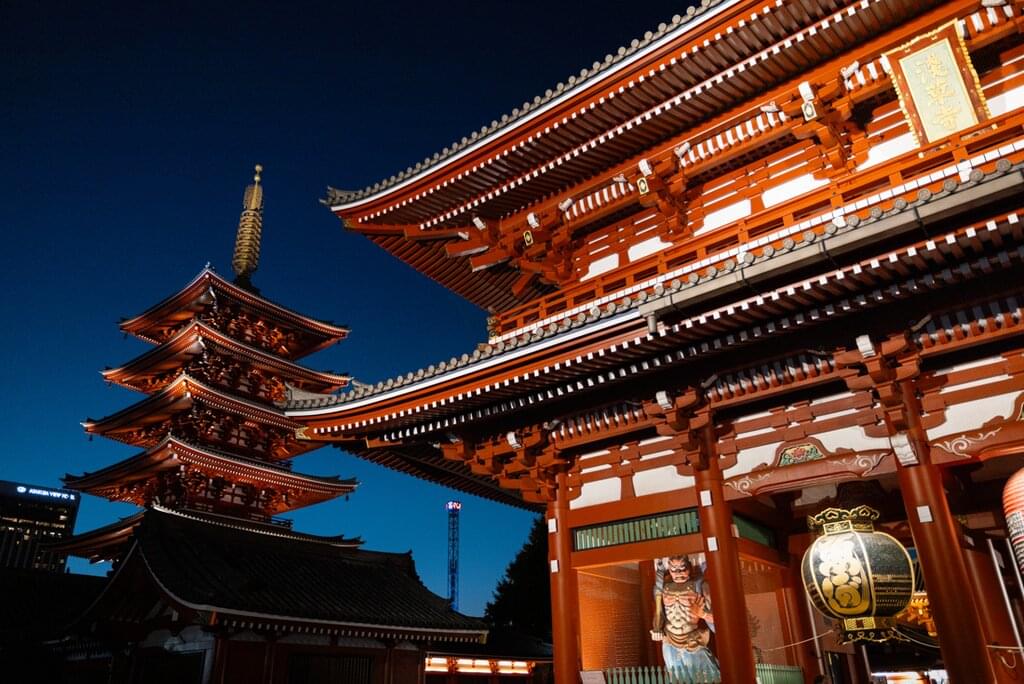
- Tokio - Sensoji-Tempel
- Tokio - Sumida Flusskreuzfahrt
- Tokio - Hama Rikyu Garten
- Kyoto - Ryoanji Zen Garten
- Kyoto - Schloss Nijo
- Kyoto - Kinkaku-ji (Goldener Pavillon)
- Kyoto - Gion Bezirk Spaziergang
- Koya-san - Okunoin-Friedhof
- Himeji - Burg Himeji
- Hiroshima - Friedenspark & A - Bombenkuppel
- Hiroshima - Friedensmuseum
- Hiroshima - Miyajima Insel
- Tsumago - Nakasendo Wanderung
- Matsumoto - Rundgang
- Tokio - Sensoji-Tempel
- Tokio - Sumida Flusskreuzfahrt
- Tokio - Hama Rikyu Garten
- 10x Frühstück
- 3x Abendessen
Unterkunft 2026
Termine
Häufig gestellte Fragen
Wichtige Informationen zu deiner Reise
Diese Reise ist für Menschen mit eingeschränkter Mobilität nicht geeignet.
Reiseversicherung für deine ASI Reise
Die Tarife sind flexibel konfigurierbar. Abschluss und Beratung erfolgen direkt über die HanseMerkur. Mehr Informationen zum Thema Reiseversicherung findest du unter asi-reisen.de/reiseversicherung.
Japan – maßgeschneidert für dich


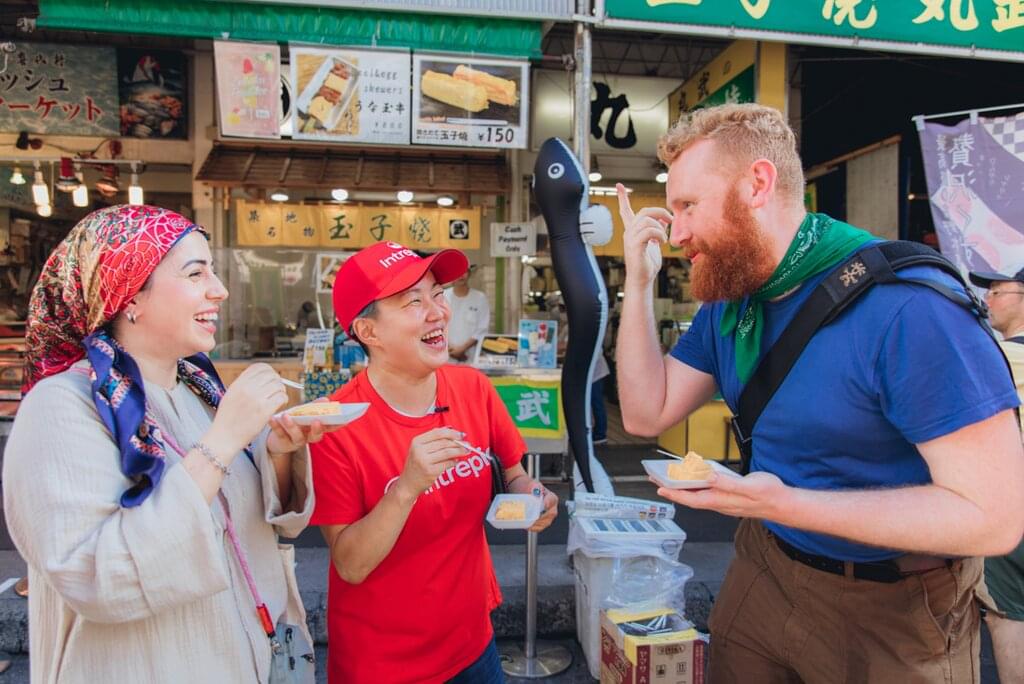
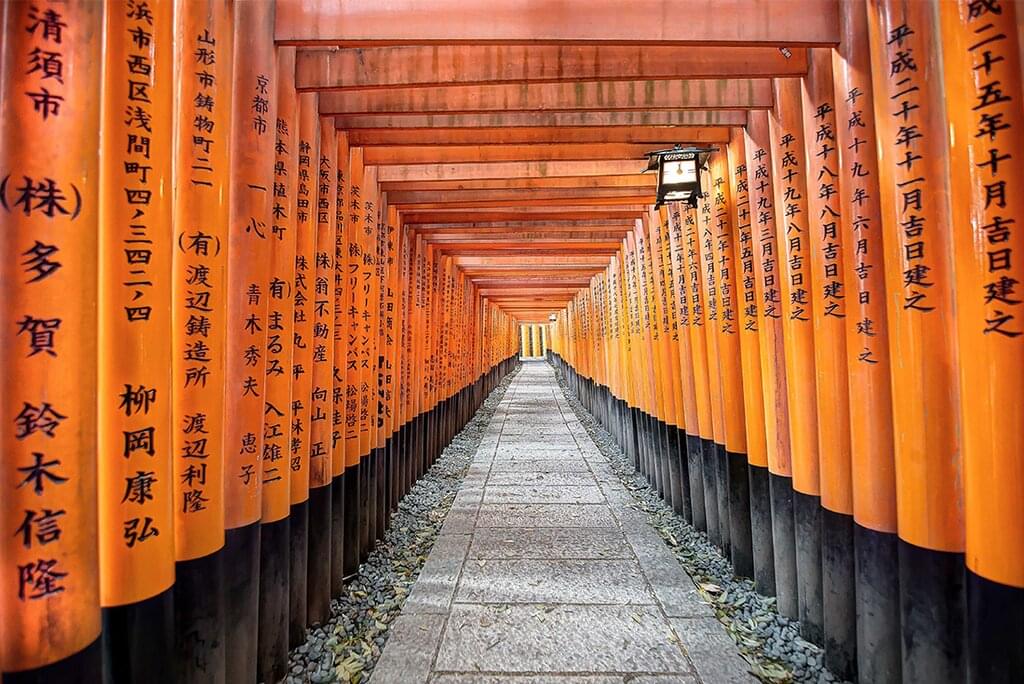
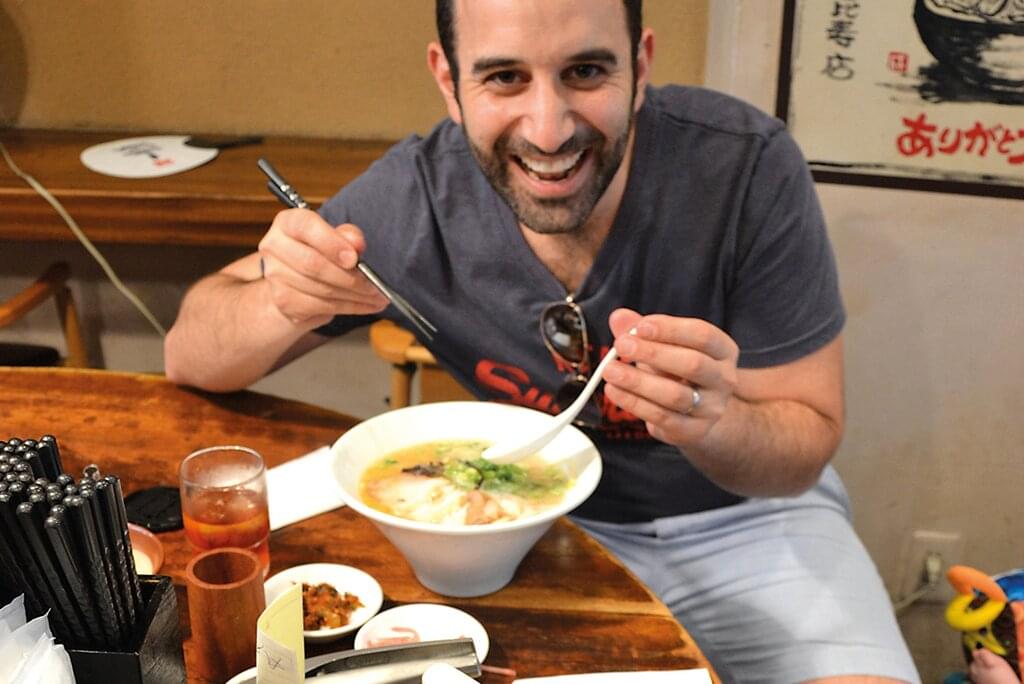
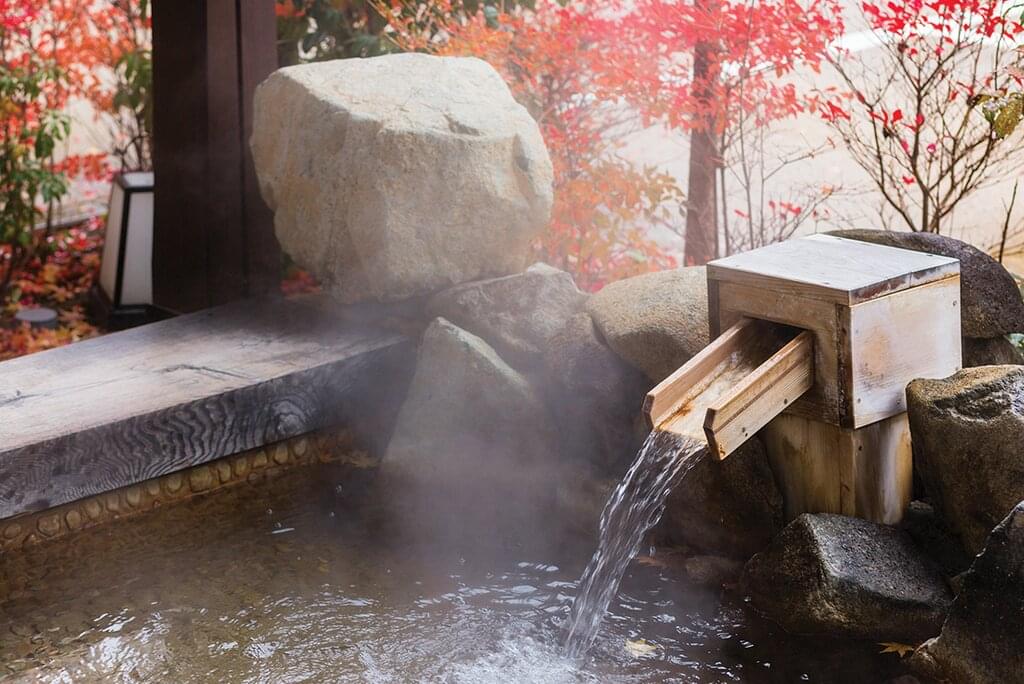

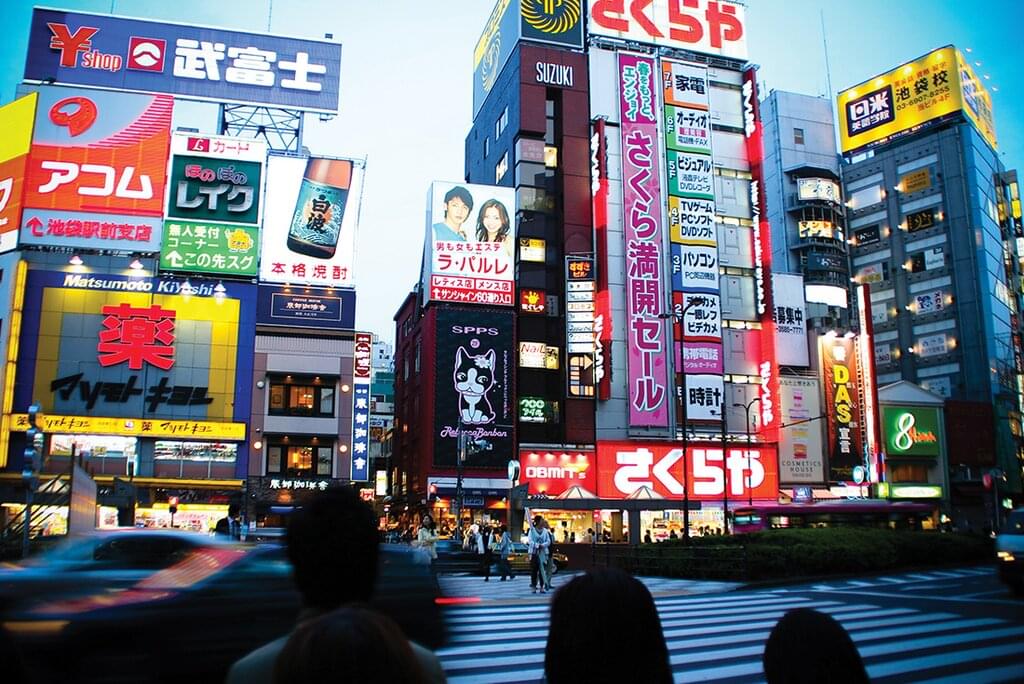
Gemeinsam mit unseren lokalen Experten entsteht deine Reise durch Japan Schritt für Schritt. Du entscheidest, welche Orte dich anziehen, wie lange du bleibst und was dir unterwegs wichtig ist.
Mehr erfahrenNachhaltigkeit
Diese Reise wird von einem zertifizierten Partner durchgeführt
Mit einem Nachhaltigkeitszertifikat wird das Engagament eines Unternehmens auf sozialer, ökonomischer und ökologischer Ebene anerkannt. Dieses Unternehmen hat eine von GTSC anerkannte Zertifizierung und trägt somit aktiv zur nachhaltigen Entwicklung im Tourismus bei.
Mehr ErfahrenMehrwert abseits der Reise leisten
Unterstütze ausgewählte Projekte in unseren Reisedestinationen über unsere Spendenplatform. Damit 100% deiner Spende beim Projekt ankommt, übernehmen wir alle Transaktionskosten.
Zur ASI SpendenplattformSo kannst du zu mehr Nachhaltigkeit auf deiner Reise beitragen
Auch du kannst aktiv dazu beitragen, deine Reise nachhaltiger zu gestalten. Von Vorbereitung auf deine Reise, bis hin zur Unterstützung von lokalen Unternehmen im Reiseland – es gibt viele Möglichkeiten
Mehr Erfahren